
Chelsea Dumpster Safety Guide & Standards
Tobin Bridge Roll-Offs provides a Chelsea dumpster safety guide and standards built for safe, compliant rentals across Chelsea neighborhoods near the Tobin Bridge, Mystic Mall, and waterfront industrial streets. Our rental process accounts for narrow access, winter ice, spring rain, and busy residential blocks to help protect pavement, driveways, and surrounding property while supporting OSHA-conscious jobsite practices.
Essential Dumpster Safety Practices for Chelsea Job Sites
After 15 years operating Tobin Bridge Roll-Offs in Chelsea, we've seen how quickly safety shortcuts lead to problems. Our crew insists on three non-negotiables: proper PPE, load distribution, and driveway protection measures. We train every customer on spotting common hazards like overfilled containers or unstable debris piles. For commercial projects, we recommend our high-tonnage capacity units that handle heavy loads safely. Remember - a single misplaced nail through a work boot can shut down your whole project. Need help choosing the right container? Compare options with our roll-off vs bagster breakdown.
Site Readiness Checklist
-
Always wear gloves and steel-toe boots when loading debris
-
Keep the area around the dumpster clear of trip hazards
-
Never exceed the marked fill line on the dumpster walls
-
Use proper lifting techniques when handling heavy materials
-
Ensure all hazardous materials are separated according to prohibited items guidelines

OSHA Compliant
Meets all OSHA regulations for safe dumpster use.
Proper Placement
Ensures dumpsters are placed to avoid hazards in Chelsea.
Weight Limits
Adheres to weight restrictions to prevent tipping or damage.
Committed to Safe, Compliant Dumpster Solutions
- 24-Hour
- Placement Window
- 15-Mile
- Service Radius
- 500+
- Annual Deliveries
Dumpster safety starts with the way we set, load, and haul
We’ve been doing this in Chelsea long enough to know the unsafe part usually starts before the dumpster ever gets full. Mateo grew up here, watched the neighborhood change, and learned early that a good haul means paying attention to the ground, the load, and the materials inside it. We follow OSHA and EPA basics, keep the box stable, and separate anything that doesn’t belong so the job stays clean from drop-off to pickup.
We show up, we haul it away, no fuss.
-
Set the dumpster where the ground can hold it
We look at the surface before we drop a roll-off, because soft asphalt, old patchwork concrete, and thawing ground all behave differently once a loaded container settles in. In Chelsea, I’ve seen a bin sit fine in the morning and leave a deep mark by afternoon if the base wasn’t right. That’s why we check the approach, keep the truck angle honest, and favor driveway protection and the right 20-yard dumpster placement for the site.
Real World ExampleOn a narrow city driveway, we’ll slide boards under the contact points and set the box back from the edge so the weight doesn’t crush the apron when the crew starts loading heavy debris.
-
Keep prohibited waste out of the load
We sort materials before they go in, because one bad item can turn a clean haul into a rejection at the scale or a safety problem on the road. Paint, tires, batteries, and other restricted debris need a separate plan, and our crew talks that through before we unload the container. That’s also why we keep the prohibited items list, avoiding overage fees, and private rental vs city pickup guidance in mind on every job.
Real World ExampleDuring a cleanout, we stopped a load when we found old cans of solvent mixed with drywall. We separated the hazard right there, then finished the rest so the dumpster stayed safe and legal.
-
Load level, not crowned above the rim
We coach folks to keep the debris inside the container line because loose pieces and overfilled bins don’t travel safely, especially when the truck hits bridge traffic or rough city streets. A level top helps our driver tarp the load properly and keeps scrap from shifting out on the way through Chelsea. We see better results with the right box size, whether that’s a 10-yard dumpster, 30-yard dumpster, or 40-yard dumpster.
Real World ExampleAfter framing debris piled up faster than expected, we broke the load down with the customer, flattened the boards, and kept the top even so nothing snagged on pickup.
-
Use the right container for the material
Different waste types behave differently, and we size the container around weight, volume, and how sharp or dense the load gets. Concrete, masonry, and heavy demo debris need a different setup than household junk, because too much weight in the wrong box creates handling risks. We use concrete disposal, the right high-tonnage capacity, and the right walk-in loading door when the job calls for safer loading.
Real World ExampleOn a basement cleanout with broken slab pieces, we used a heavy-duty container and loaded the rubble low and even so the crew didn’t fight a top-heavy box during removal.
Chelsea Dumpster Safety Compliance Guide
Follow OSHA standards for proper dumpster use
Dumpster Safety: Protecting Your Property and Crew
When we're dropping off a roll-off at a job site in Chelsea, safety isn't just a checklist — it's our core commitment. Every dumpster placement requires careful assessment of ground conditions, potential hazards, and loading protocols. We've learned through decades of waste management that proper positioning prevents damage to driveways, landscaping, and surrounding structures. Our crew trains extensively on weight distribution techniques and load stabilization to minimize risks during delivery and pickup.
| Safety Factor | Recommended Practice |
|---|---|
| Ground Preparation | Level surface, plywood protection |
| Load Distribution | Even weight across container base |
| Overhead Clearance | Minimum 14 ft clear space |
Safety Checklist
-
Inspect dumpster placement for ground stability
-
Verify clear overhead clearance from power lines and trees
-
Ensure proper weight distribution of loaded materials
-
Keep loading area clear of pedestrian traffic
-
Use appropriate personal protective equipment (PPE)
Dumpster Safety Guide & Standards
Working around dumpsters in Chelsea demands respect for safety rules to protect your crew and property. Here’s a straightforward guide to keep operations smooth while meeting local standards.
Position Dumpsters on Stable, Level Ground
We always place roll-off dumpsters on flat, stable surfaces to prevent tipping or shifting during loading. Uneven ground means risk—use driveway protection mats if needed to avoid damage and maintain balance.
Load Evenly and Avoid Overfilling
Our crew loads debris evenly inside the dumpster to keep weight balanced. Overfilling beyond the dumpster’s edges risks falling debris, which can injure people or damage nearby property.

Site Safety First
Protecting your property and crew.
Keep Clear Access for Trucks and Pedestrians
We ensure dumpsters don’t block sidewalks, driveways, or emergency exits. Clear access keeps the worksite safe and avoids fines from city regulations. Always check local permits for placement rules.
Follow Proper Disposal and Prohibited Items Rules
We handle all waste according to EPA guidelines, avoiding banned materials like hazardous chemicals. Knowing what’s allowed protects the environment and keeps your project compliant with Chelsea’s standards.
Need Expert Advice?
Speak directly with our safety officers.
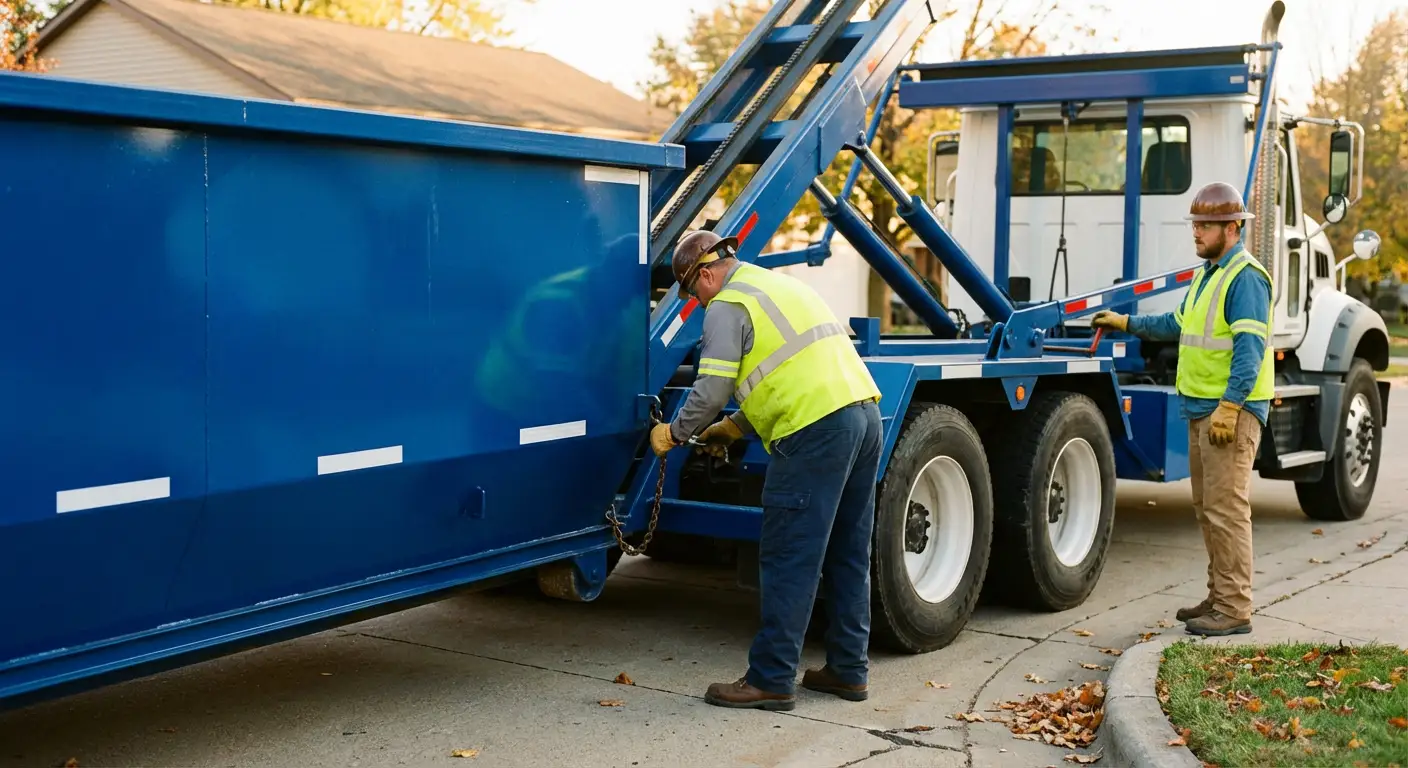
Safe Dumpster Practices for Chelsea Construction Sites
Essential safety guidelines help prevent accidents, protect workers, and maintain compliance with local Massachusetts industrial waste management regulations.
OSHA-aligned safety protocols verified by professional waste management experts